
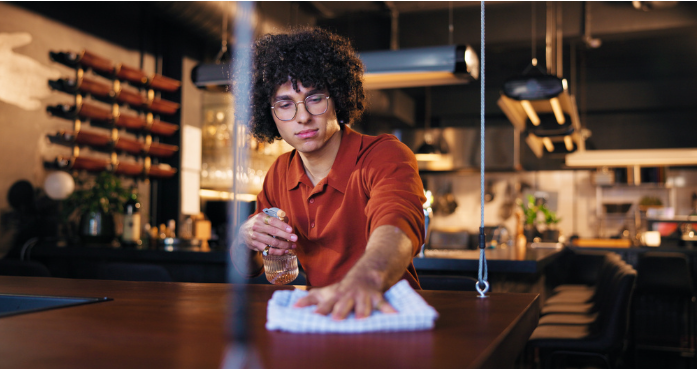
Success leaves clues. Check out any top team and you’ll spot patterns. Beyond their talent and game plans, these groups share something odd: hygiene habits that keep everything running smooth. We are talking about more than just wiping down tables. These habits build a place where excellence just happens.
Clean Desk, Clear Mind
Top teams know that junk on your desk creates junk in your head. Watch them at five o’clock. Papers go where they belong. Desks get wiped down. Tomorrow’s work sits ready. This is not about being a neat freak. The goal is to streamline tasks at work. These folks treat desks like mission control. Everything belongs somewhere. Need last month’s contract? Found it. Two seconds, not ten minutes of digging. Their keyboards? Clean, because sticky keys make you type slower. Computer screens get cleaned every Friday afternoon. Why? Fingerprints and dust make your eyes work harder. Little stuff, but it adds up.
Shared Responsibility Systems
The best teams do not dump everything on one person. They set up systems that run themselves. Maybe on Monday it’s Sarah’s turn to check the kitchen. Tuesday belongs to Mike. Or everybody just deals with their own mess right away. It doesn’t matter which system. What matters is that everyone sticks to it.
Smart teams bring in commercial cleaning services such as those at AllProCleaningSystems.com, based out of the greater Boston area, for the heavy lifting but handle daily stuff themselves. They let professionals tackle floors and bathrooms while the team keeps their own areas decent. Nobody gets stuck doing everything. Standards stay high. Everybody’s happy.
Here’s what else works: people actually talk to each other. Paper towels running low? Someone mentions it. Coffee spilled in the hallway? Gets reported right away, not three hours later when it’s sticky. Tom wiped down the microwave? He gets a quick thanks.
Digital Hygiene Matters Too
Cleaning your desk is great, but what about your computer? Star teams keep their digital stuff just as organized. Shared folders that make sense. File names you can actually understand. Email inboxes without countless unread messages. Think about it. Just as you wouldn’t leave moldy food in the fridge, why leave mystery files in shared folders? These teams update project tools when things change. They close browser tabs they’re done with. They restart computers before they start acting weird.
Health as a Team Sport
Great teams know that keeping everyone healthy keeps everyone productive. Hand sanitizer shows up everywhere. Sick? Stay home. Don’t be a hero and get everyone else sick too. Flu season means extra wipe-downs of door handles and phones. One person with the flu can tank a whole project deadline. So these teams get smart about it. Meeting rooms have windows that actually open. People eat lunch somewhere besides their desks – keeps crumbs out of keyboards and gives you a real break. Air feels stuffy? Someone cracks a window. Simple moves that pay off big.
Conclusion
You can’t flip a switch and suddenly have perfect team hygiene. Pick one thing to fix this week. Just one. The disaster zone break room, maybe. Or that shared drive nobody can navigate. Get everyone to agree on fixing that one thing first. Once it sticks, add something else. The point is not to win a clean workspace award. The point is removing stuff that gets in your way. Organized spaces help people think better. They cut stress. They show you respect your teammates and your work. When nothing blocks you from doing great work, great work happens. Top teams figured this out. Now you can too.