
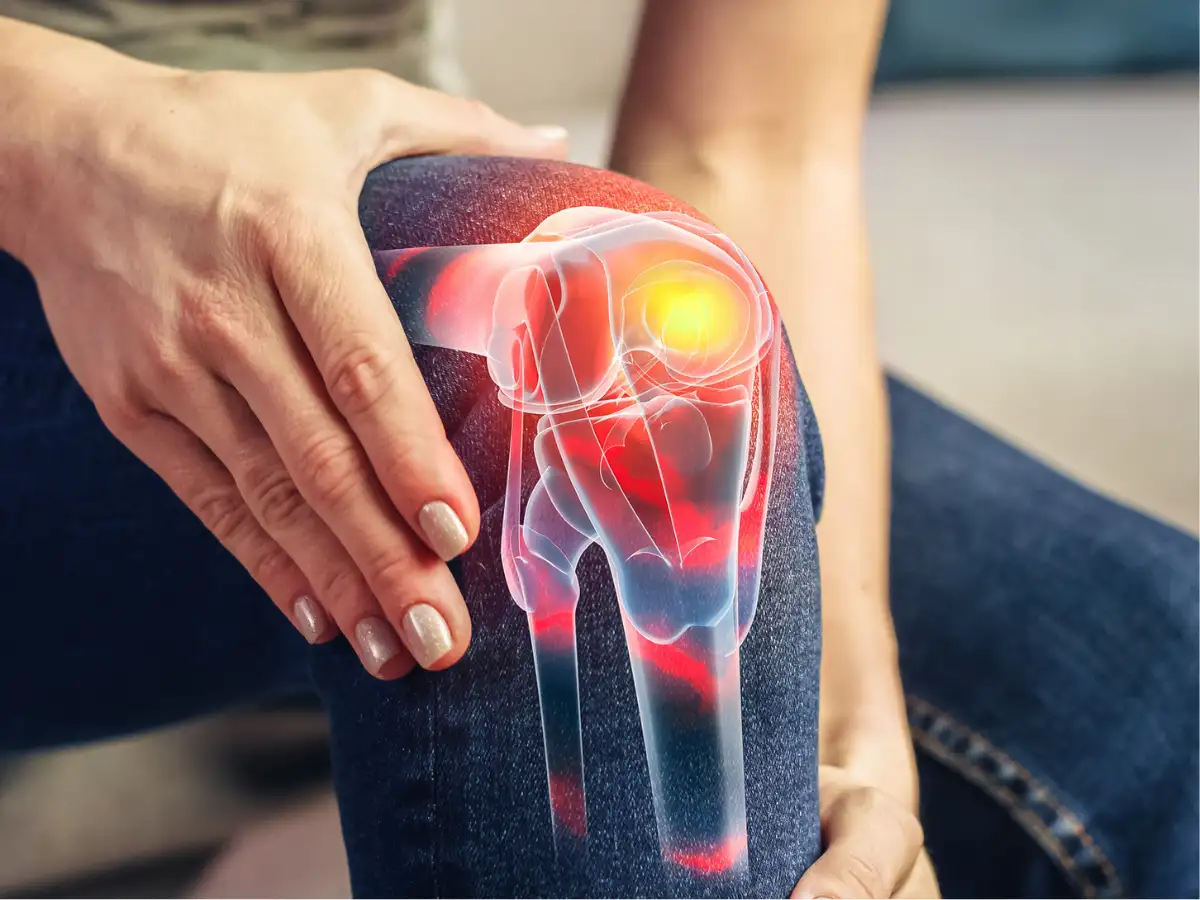
Knee discomfort is no longer limited to athletes or older adults. Today, people across different age groups experience knee strain due to long working hours, poor posture, weight fluctuations, gym injuries, and sedentary lifestyles. What often begins as mild stiffness while climbing stairs or standing up from a chair can gradually impact mobility and confidence in daily movement.
Many people tend to ignore the early warning signs until the pain starts interfering with routine activities. However, timely care, proper movement support, and lifestyle adjustments can help reduce stress on the joints and improve stability before the condition worsens.
Common Reasons Behind Knee Strain
The knee is one of the most heavily used joints in the body. It absorbs impact while walking, running, bending, or even standing for long periods. Repetitive stress, sudden twisting movements, weak muscles, or poor alignment can place excessive pressure on the knee joint.
Some of the most common causes of knee discomfort include:
- Long hours of standing or walking
- Sports-related strain or gym injuries
- Age-related joint wear and tear
- Obesity or sudden weight gain
- Weak thigh and calf muscles
- Improper posture while sitting or climbing stairs
Even mild instability can make people subconsciously avoid movement, which may further weaken surrounding muscles and reduce joint support over time.
How External Knee Support Helps
One of the simplest ways to manage mild knee instability and discomfort is by using appropriate knee support during daily activity. Supportive products are designed to provide compression, improve alignment, and reduce unnecessary strain on the joint.
A properly fitted knee cap can help offer gentle compression around the knee area, improving comfort during walking, light exercise, or prolonged standing. Many individuals use a knee cap support while resuming physical activity after minor injuries or during periods of joint weakness.
Supportive compression may also help improve confidence in movement by reducing the feeling of instability that people often experience during recovery or prolonged physical activity.
Choosing the Right Support for Different Needs
Not all support products function the same way. The choice depends on the severity of discomfort, activity level, and the type of stability required.
For mild everyday discomfort or preventive use, a standard knee support may be sufficient. These are commonly used by office workers, travelers, fitness enthusiasts, and individuals who experience occasional strain after long activity hours.
However, people recovering from ligament strain, sports injuries, or prolonged instability may require more structured support. In such situations, a knee brace long type can provide additional coverage and stability around the knee and surrounding muscles. The extended design helps distribute pressure more evenly while offering stronger support during movement.
Individuals involved in physically demanding routines often prefer longer brace designs because they help maintain better alignment during repetitive activity.
Daily Habits That Protect Knee Health
While external support products can help manage discomfort, long-term knee health also depends heavily on lifestyle habits. A few consistent changes can significantly reduce stress on the joints.
Maintain Healthy Body Weight
Excess body weight increases pressure on the knee joints during every step. Even small reductions in weight can lower joint strain considerably.
Strengthen Supporting Muscles
Exercises that strengthen the thighs, calves, and hips help improve knee stability naturally. Strong muscles absorb impact more efficiently and reduce stress on the joint.
Avoid Sudden High-Impact Movement
Sudden twisting, jumping, or overtraining without proper warm-up can increase the risk of strain and injury.
Use Proper Support During Recovery
Using a suitable knee cap, knee support, or knee brace long type during physically demanding activities may help reduce excessive pressure and improve confidence in movement.
When Should You Seek Professional Advice?
Persistent swelling, sharp pain, locking of the knee, or instability during walking should never be ignored. These symptoms may indicate underlying ligament, cartilage, or joint-related issues that require medical evaluation.
Early intervention often leads to better recovery outcomes and prevents long-term mobility complications. Combining professional guidance with supportive care and healthy movement habits can help individuals stay active and independent for longer.
Protecting your knees today can make everyday movement easier tomorrow. Small preventive measures often make a significant difference in maintaining long-term joint comfort and mobility.
For individuals looking for reliable everyday joint care solutions, brands like Vissco Next offer thoughtfully designed mobility and support products that combine comfort, stability, and ease of movement for active lifestyles.